
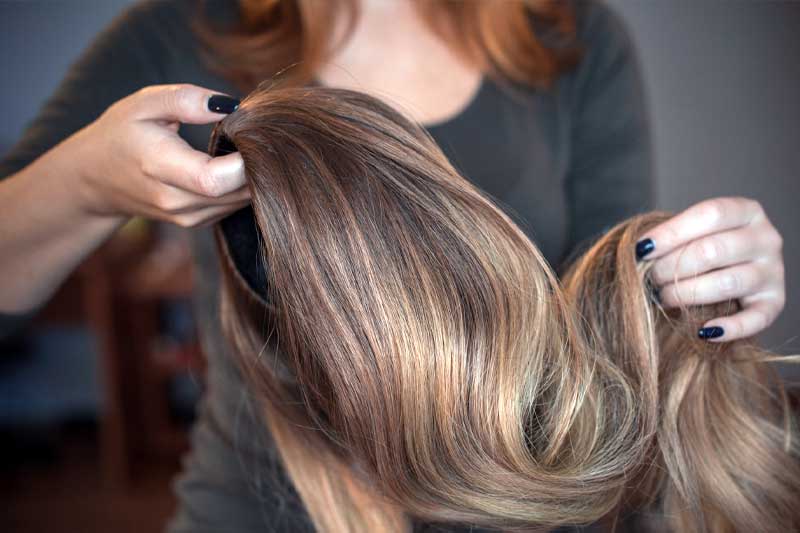
Human Hair or Synthetic: What Actually Sets These Wigs Apart
Every wig, no matter the brand or price point, starts with one fundamental decision: real hair or man-made fiber. That single choice shapes everything else — how the wig looks under different lighting, how it feels after eight hours, how it responds to a curling iron, and how long it stays wearable.
Human hair wigs are constructed from real, collected human hair, cuticle intact or stripped and reprocessed, depending on quality grade. Synthetic wigs are built from engineered fibers, most commonly kanekalon or heat-resistant Toray fibers designed in a lab to mimic the diameter, sheen, and movement of natural hair. Neither option is universally “better.” Each serves a different combination of budget, lifestyle, and need.
What Human Hair Wigs Are Made From
Human hair used in wigs generally falls into a few sourcing categories: Chinese, Indonesian, Indian, and European hair, each with a different denier (fiber thickness) and natural texture. European hair, particularly “virgin” hair that hasn’t been chemically stripped of its cuticle, is the most sought-after and the most expensive, prized for its softness, natural color depth, and strength.
Higher-end human hair wigs are also hand-tied and hand-knotted strand by strand into the cap, rather than machine-wefted. Hand-tied construction allows each strand to move independently, which is what creates a realistic hairline, natural part, and lifelike volume at the root — details that matter most under close inspection or bright light.
What Synthetic Wigs Are Made From
Synthetic wigs are cut and pre-styled by the manufacturer, so the wig arrives ready to wear in its finished shape. This is the material’s biggest practical advantage: there’s no blow-drying, curling, or setting required to maintain the intended look, even after washing.
The tradeoff is fixed styling. Because synthetic fibers are heat-sensitive, most cannot tolerate curling irons, flat irons, or blow dryers without melting or losing shape (heat-friendly synthetic blends exist but remain the exception, not the rule). Color and cut are essentially locked in at purchase.
Natural Appearance and Movement
This is where human hair wigs still lead, particularly for anyone wearing a wig daily or in close social and professional settings. Human hair reflects and diffuses light the way natural hair does, moves strand by strand rather than as a single mass, and can be parted anywhere without a synthetic wig’s more uniform, “engineered” sheen showing through.
That said, synthetic wig quality has improved substantially. High-quality synthetic fibers with matte finishes and varied strand texture can look convincing at conversational distance, which is part of why synthetic wigs remain a popular entry point for people trying wigs for the first time.
Styling Versatility: Heat Tools, Color, and Cut
If styling flexibility matters to you, this comparison isn’t close:
- Human hair wigs can be curled, straightened, cut, and in most cases professionally colored, just like natural hair. This makes them the better fit for anyone who changes their look seasonally or for special occasions.
- Synthetic wigs hold their factory style through washing but generally cannot be heat-styled or re-colored without damaging the fibers.
Durability and Lifespan
| Human Hair Wigs | Synthetic Wigs | |
|---|---|---|
| Typical Lifespan with proper care | 1–3+ years, sometimes longer for high-grade European hair | 4–6 months with regular wear |
| Heat styling | Full Flexibility | Limited to none (unless heat-friendly blend) |
| Color changes | Possible with professional coloring | Not recommended |
| Best Suited For | Daily/long-term wear, medical wig users, styling flexibility | Occasional wear, budget-conscious buyers, low-maintenance routines |
Human hair wigs cost more upfront but tend to be the more economical choice over time for anyone wearing a wig regularly, since a single well-maintained piece can outlast several synthetic replacements.
Maintenance and Care
Human hair wigs need to be treated much like natural hair: washed with wig-specific shampoo and conditioner, air-dried or gently styled, and periodically professionally maintained to preserve the cuticle and color. Synthetic wigs require less routine effort — a gentle wash keeps the factory style intact — but they’re also less forgiving of improper handling, since heat or harsh brushing can damage the fiber permanently rather than temporarily.
Comfort and Cap Construction
Look and styling aside, comfort often comes down to the cap, not the hair. Hand-tied, monofilament, and lace-front caps (available in both human hair and synthetic wigs) create a lighter, more breathable base and a more natural-looking scalp part than a standard machine-wefted cap. Anyone wearing a wig for medical reasons or for extended hours should weigh cap construction as carefully as hair type.
Cost Considerations
Synthetic wigs are generally the more accessible entry point, which is why they’re popular for first-time wig wearers, costume or occasional use, and anyone testing a new style before committing. Human hair wigs represent a higher upfront investment reflecting the sourcing, processing, and hand construction involved — but for daily wearers, that investment is spread across a much longer usable lifespan.
Which Wig Is Right for You?
A simple way to think about it:
- Choose human hair if you wear a wig daily, need it to withstand heat styling or color changes, are managing medical hair loss and want the most natural possible result, or plan to wear the same piece for a year or more.
- Choose synthetic if you want a low-maintenance, ready-to-wear option, are wig shopping for occasional or special-event use, or want to experiment with a new color or cut without committing to it long-term.
Many wig wearers ultimately own both, a synthetic piece for convenience and a human hair wig for everyday confidence or professional settings.
Why Local Expertise Matters: From Cleveland to Columbus to Ashland
The right material is only half the equation. Stylists across Ohio who work with wigs daily, from salons in Cleveland to Columbus to smaller markets like Ashland, consistently point to the same lesson: even the best human hair wig needs to be fitted and styled by someone who understands wig construction specifically, not just conventional haircutting. A cap that isn’t sized correctly, or a hairline that isn’t blended by an experienced hand, can undercut the natural look that a quality human hair wig is capable of.
That is especially true for women navigating hair loss from alopecia, chemotherapy, or postpartum shedding, where a wig isn’t a fashion accessory but a daily confidence tool. Local, in-person fitting and styling support rather than a mail-order fit alone tends to make the biggest difference in how natural and comfortable a wig feels day to day, regardless of whether the starting material is human hair or synthetic.